7 Pro Tips for Maintaining Forklifts and Lifting Equipment
Contents
Forklift and Lifting Equipment Maintenance play an important role in construction, warehouses, factories, logistics, and industrial operations. These machines help businesses move heavy materials and complete demanding tasks more efficiently.
However, regular maintenance is essential for keeping lifting equipment in good working condition. Proper maintenance can help identify problems early, reduce unexpected downtime, and support safer equipment operation.
In this guide, we share 7 practical tips for forklift and lifting equipment maintenance.
1. Perform Regular Equipment Inspections
Regular inspections are one of the most important parts of equipment maintenance.
Before using a forklift or lifting machine, operators should check important components such as:
- Tires and wheels
- Forks and attachments
- Hydraulic systems
- Brakes
- Steering
- Warning lights
- Safety equipment
In addition, operators should look for visible damage, leaks, unusual sounds, or other signs of a problem.
Therefore, a quick inspection before operation can help identify potential issues before they become more serious.
2. Follow a Regular Maintenance Schedule
A regular maintenance schedule helps keep equipment in good condition.
Depending on the equipment and manufacturer’s recommendations, maintenance may include:
- Oil changes
- Filter replacement
- Hydraulic system checks
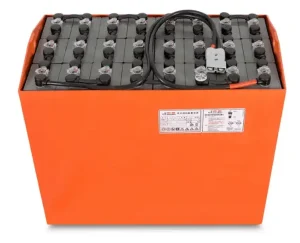
- Battery maintenance
- Brake inspection
- Tire checks
- Lubrication
Following the recommended service schedule can help reduce unexpected breakdowns.
Furthermore, keeping accurate maintenance records makes it easier to track completed inspections and future service requirements.
3. Check Hydraulic Systems Regularly
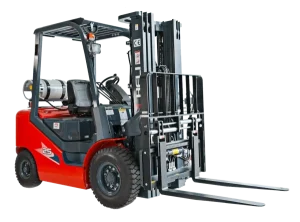
Hydraulic systems play an important role in many forklifts and lifting machines.
A hydraulic problem can affect lifting performance and equipment operation.
During inspections, check for:
- Fluid leaks
- Damaged hoses
- Loose connections
- Unusual noises
- Reduced lifting performance
If you notice a hydraulic problem, stop using the equipment and arrange a professional inspection.
4. Keep the Equipment Clean
Regular cleaning is another simple but effective maintenance practice.
Dirt, dust, oil, and debris can build up on important components. Over time, this buildup may make it more difficult to identify leaks or damage.
Clean equipment also makes inspections easier.
For example, operators can identify cracks, loose parts, and fluid leaks more easily when the machine is clean.
5. Inspect Forks, Attachments, and Lifting Components
Forks and lifting attachments handle heavy loads every day. Therefore, they require regular inspection.
Check for:
- Cracks
- Bends
- Excessive wear
- Damage
- Loose connections
The same principle applies to other lifting equipment, including:
- Chains
- Slings
- Hooks
- Outriggers
- Platforms
- Attachments
Damaged lifting components should not be used until they have been properly inspected and repaired or replaced.
6. Train Operators Properly
Proper equipment operation is an important part of maintenance.
Untrained or careless operation can place unnecessary stress on machines and may lead to premature wear.
Operators should understand:
- Equipment controls
- Load capacity
- Safe operating procedures
- Warning signs
- Pre-use inspections
In addition, operators should avoid overloading equipment or using it for applications outside its intended purpose.
As a result, proper training can help protect both the equipment and the people using it.
7. Address Small Problems Quickly
A small equipment problem can become a major repair if ignored.
For example, a small hydraulic leak may eventually lead to reduced performance or system damage. Similarly, unusual noises may indicate a problem with an important component.
Therefore, report and investigate problems as soon as they appear.
Early repairs can help:
- Reduce downtime
- Avoid expensive repairs
- Improve equipment reliability
- Support safer operation
Why Proper Maintenance Matters
Regular maintenance provides several important benefits.
Improved Equipment Reliability
Well-maintained equipment is more likely to perform consistently during daily operations.
Reduced Downtime
Regular inspections can help identify problems before unexpected breakdowns occur.
Longer Equipment Life
Proper servicing and careful operation can help reduce unnecessary wear and extend equipment service life.
Better Workplace Safety
Maintenance helps ensure that important components remain in suitable working condition.
Maintenance Tips for Different Lifting Equipment
Different machines may require different maintenance procedures.
Forklifts
Check forks, tires, brakes, hydraulics, and lifting systems regularly.
Scissor Lifts
Inspect platforms, controls, safety systems, tires, and hydraulic components.
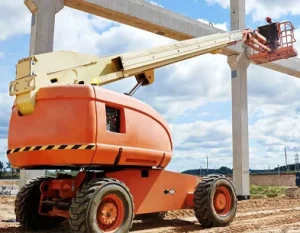
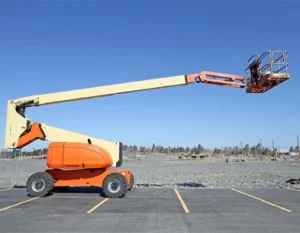
Boom Lifts
Check the boom structure, platform, hydraulics, controls, and stabilizing systems.
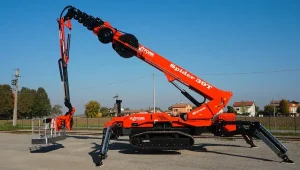
Spider Cranes
Inspect the boom, outriggers, lifting components, hydraulic systems, and safety controls.
Always follow the manufacturer’s maintenance recommendations for the specific equipment.
Should You Buy or Rent Lifting Equipment?
For many businesses, renting can be a practical option when equipment is only needed for a specific project.
Lifting Equipment Rental UAE provides access to suitable machinery without the long-term responsibilities associated with ownership.
Renting can offer:
- Flexible rental periods
- Access to different equipment
- Lower upfront costs
- Reduced storage requirements
- Less responsibility for long-term maintenance
However, rented equipment should still be inspected before use. Operators should also report any issues to the rental provider immediately.
Why Choose Luqman Equipment Rental?
Luqman Equipment Rental provides reliable lifting and access equipment for construction, industrial, commercial, and maintenance projects across the UAE.
Our equipment solutions support:
- Construction companies
- Warehouses
- Industrial facilities
- Logistics operations
- Maintenance teams
- Contractors
Our team can help you choose suitable equipment based on your project requirements, lifting capacity, working height, and rental duration.
Final Thoughts
Following these 7 forklift and lifting equipment maintenance tips can help businesses improve equipment reliability, reduce downtime, and support safer operations.
Regular inspections, scheduled servicing, proper cleaning, operator training, and quick repairs all play an important role in equipment maintenance.
Whether you own or rent lifting equipment, proper care and responsible operation are essential.
If you need reliable Lifting Equipment Rental UAE, contact Luqman Equipment Rental for professional equipment solutions across the UAE.
FAQs
How often should forklifts be maintained?
Maintenance frequency depends on the equipment, usage, and manufacturer’s recommendations. Regular inspections should also take place before operation.
What should I check before using a forklift?
Check the tires, forks, brakes, steering, hydraulic system, warning lights, and other important safety components.
Why is hydraulic maintenance important?
Hydraulic systems control important lifting functions. Regular checks can help identify leaks, damaged hoses, and performance problems.
Can proper maintenance extend equipment life?
Yes. Regular servicing, inspections, and proper operation can help reduce unnecessary wear and support longer equipment service life.
Does rented lifting equipment require maintenance?
Rental equipment should be inspected before use, and any problems should be reported to the rental provider immediately.