10 Best Crane Operator Training Dubai Courses for Safety
Contents
- 1 10 Best Crane Operator Training Dubai Courses for Safety
- 2 Why Crane Operator Training Matters
- 3 1. Mobile Crane Operator Safety Training
- 4 2. Tower Crane Operator Training
- 5 3. Overhead Crane Operator Training
- 6 4. EOT Crane Safety Training
- 7 5. Lifting Supervisor Training
- 8 6. Rigging and Slinging Safety Course
- 9 7. Construction Hoist Operator Training
- 10 8. Crane Rescue and Emergency Response Training
- 11 9. Crane Inspection and Maintenance Course
- 12 10. Lifting Operations Safety Course
- 13 Benefits of Crane Operator Training
- 14 Choosing the Right Crane Training Course
- 15 Crane Safety Best Practices
- 16 Why Choose Luqman Equipment Rental?
- 17 Final Thoughts
- 18 Frequently Asked Questions
- 18.0.1 1. Who should attend crane operator training?
- 18.0.2 2. What types of cranes are covered in training?
- 18.0.3 3. Why is crane safety training important?
- 18.0.4 4. Is practical training included?
- 18.0.5 5. How long does crane operator training take?
- 18.0.6 ment, including cranes and lifts, as well as pricing alternatives.
Crane Operator Training Dubai .The construction and industrial sectors in Dubai rely heavily on qualified crane operators to complete lifting operations safely and efficiently. Whether you’re operating a mobile crane, tower crane, overhead crane, or crawler crane, proper training is essential to reduce workplace risks and comply with industry safety standards.
Choosing the right Crane Operator Training Dubai course can help operators improve their skills, understand lifting procedures, and work more safely on construction sites throughout the UAE.
Below are ten popular crane operator and safety training courses commonly offered by accredited training providers in Dubai.
Why Crane Operator Training Matters
Professional training helps operators:
- Understand crane controls
- Improve lifting safety
- Perform pre-use inspections
- Reduce workplace accidents
- Comply with site safety requirements
- Increase confidence while operating cranes
Proper training also benefits employers by promoting safer lifting operations and improving overall site productivity.
1. Mobile Crane Operator Safety Training
This course is designed for operators who use mobile cranes on construction and industrial projects.
Topics Covered
- Crane controls
- Daily inspections
- Load charts
- Safe lifting procedures
- Risk assessment
- Emergency procedures
Ideal For:
- Construction companies
- Crane operators
- Heavy equipment operators
2. Tower Crane Operator Training
Tower cranes are commonly used on high-rise construction projects across Dubai.
Topics Covered
- Tower crane operation
- Load handling
- Communication signals
- Stability requirements
- Emergency response
- Site safety procedures
This course is suitable for operators working on commercial and residential developments.
3. Overhead Crane Operator Training
Overhead cranes are widely used in warehouses, factories, and manufacturing facilities.
Topics Covered
- Equipment inspection
- Safe lifting
- Load balancing
- Crane controls
- Hazard awareness
Ideal for industrial environments where overhead lifting is performed regularly.
4. EOT Crane Safety Training
Electric Overhead Traveling (EOT) crane training focuses on safe operation within factories and industrial facilities.
Participants learn:
- Equipment inspection
- Safe lifting techniques
- Operational controls
- Maintenance awareness
- Workplace safety

5. Lifting Supervisor Training
This course is intended for professionals responsible for supervising lifting operations.
Training typically includes:
- Lift planning
- Risk assessments
- Team coordination
- Safe lifting procedures
- Communication protocols
Lifting supervisors play an important role in maintaining safe construction sites.
6. Rigging and Slinging Safety Course
Safe lifting depends on proper rigging techniques.
This course covers:
- Sling selection
- Load calculations
- Rigging inspections
- Safe lifting practices
- Load stability
It is recommended for riggers, supervisors, and lifting teams.
7. Construction Hoist Operator Training
Construction hoists are frequently used for transporting workers and materials on high-rise projects.
Training usually covers:
- Equipment operation
- Daily inspections
- Emergency procedures
- Safe loading practices
- Maintenance awareness
8. Crane Rescue and Emergency Response Training
Emergency preparedness is essential on construction sites.
Topics often include:
- Rescue planning
- Emergency lowering procedures
- Incident response
- Communication during emergencies
- Safe evacuation techniques
This course helps teams respond effectively to workplace emergencies.
9. Crane Inspection and Maintenance Course
Regular inspections help improve crane safety and equipment reliability.
Participants learn:
- Inspection procedures
- Structural checks
- Hydraulic inspection
- Documentation
- Preventive maintenance
This training is suitable for maintenance personnel and crane inspectors.
10. Lifting Operations Safety Course
This course provides a broad understanding of safe lifting operations.
Subjects generally include:
- Load handling
- Crane safety
- Risk assessment
- PPE requirements
- Site safety
- Lift planning
It is suitable for crane operators, supervisors, and construction professionals.
Benefits of Crane Operator Training
Professional training offers several advantages.
Improved Workplace Safety
Operators learn how to reduce risks during lifting operations.
Better Equipment Handling
Training improves machine control and operational efficiency.
Greater Confidence
Qualified operators are better prepared for different worksite conditions.
Regulatory Compliance
Training supports compliance with workplace safety procedures and employer requirements.
Career Development
Certified operators often have access to more employment opportunities within the construction and industrial sectors.
Choosing the Right Crane Training Course
Before enrolling, consider:
Course Content
Ensure the course matches the type of crane you operate.
Practical Training
Hands-on learning helps operators develop real-world experience.
Experienced Trainers
Choose training providers with qualified instructors.
Industry Recognition
Look for courses accepted by employers and relevant authorities.
Refresher Training
Periodic refresher courses help operators maintain their skills and stay updated with safety practices.
Crane Safety Best Practices
After completing training, operators should always:
- Perform daily equipment inspections.
- Check load capacity before lifting.
- Follow approved lifting procedures.
- Wear appropriate PPE.
- Communicate clearly with signalers and lifting teams.
- Avoid operating cranes in unsafe weather conditions.
- Report equipment faults immediately.
These practices contribute to safer lifting operations on every project.
Why Choose Luqman Equipment Rental?
In addition to providing reliable lifting equipment across the UAE, Luqman Equipment Rental supports construction, industrial, and commercial projects with modern equipment suitable for a wide range of lifting applications.
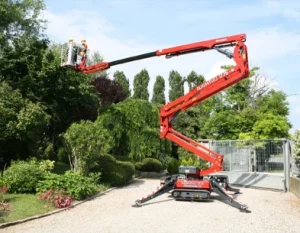
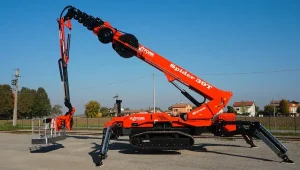
Whether your project requires spider cranes, spider lifts, boom lifts, forklifts, or material handling equipment, our experienced team can help you choose equipment that matches your operational requirements.
Final Thoughts
Professional Crane Operator Training Dubai is an important investment for anyone involved in lifting operations. From mobile cranes and tower cranes to rigging, inspections, and lifting supervision, proper training helps improve workplace safety, equipment efficiency, and operator confidence.
Whether you are starting your career or refreshing your existing skills, selecting the right crane safety course can help you perform lifting operations more safely and effectively across construction and industrial projects in Dubai and throughout the UAE.
Frequently Asked Questions
1. Who should attend crane operator training?
Crane operators, lifting supervisors, riggers, signalers, maintenance personnel, and construction professionals involved in lifting operations.
2. What types of cranes are covered in training?
Training programs may cover mobile cranes, tower cranes, overhead cranes, EOT cranes, construction hoists, and other lifting equipment.
3. Why is crane safety training important?
It helps reduce workplace accidents, improve lifting efficiency, and promote safe equipment operation.
4. Is practical training included?
Many crane operator courses combine classroom instruction with practical hands-on training. Course structure varies by provider.
5. How long does crane operator training take?
Depending on the course, training may range from a few hours for refresher programs to several days for comprehensive operator certification.